Google’s Agents Crack Open Problems, Imagine Moves Into Grok & Hydrogen Goes Bug Hunting
Dispatches of the past four-and-twenty hours from the laboratories of artificial intelligence
Google · Antigravity
Google’s Agent Teams Go After Open Problems
/teamwork and Gemini 4 report 10+ solved math and theory problems, a 50-million-line Lean proof, a Rust kernel that boots, and free access for 10,000 researchers
By Our Correspondent at the Blackboard
Google Research published its biggest report card yet for Antigravity’s /teamwork, the multi-agent mode that splits a hard job between specialised agents, each given only the files and tools it needs, while separate critics and auditors check the results from a clean context. Vahab Mirrokni, a Google Fellow, says the system has produced 10+ results on open math and computer-science problems, and Demis Hassabis reposted the thread overnight.
The headline proof settles information theory’s 2013 Courtade–Kumar conjecture in full generality, formalised in Lean 4 as 50 million lines of code. Another pipeline, Teamwork-LEAP, machine-checked the Weil conjectures on its own in about 1.8 million lines across 28,800 subagent calls. In chemistry, 30 agents worked out molecular structures from NMR data with 95% top-1 accuracy, nearly double a single agent.
On the engineering side, a two-week campaign added about 800,000 lines of safe Rust to Google’s Zircon microkernel, which passes its unit tests and boots on arm64; a Rust rewrite of the libgav1 AV1 decoder ended up 20–30% faster than the C++ and hand-written assembly. Google says these tools are in Antigravity now, with Hydrogen models for everyone, two free Deep Review calls a week, and applications open for 10,000 academics to get six months of its top tier free.
Image and video creation now live inside the Grok app, the first step toward one place to create, build and work
By Our Correspondent in the Darkroom
Image and video generation, until now the business of the separate Imagine product, is live inside Grok. “Just open Grok and start creating,” the @imagine account wrote on Saturday evening.
@grok framed it as part of a wider plan: more SpaceXAI products are being folded into “one Grok experience,” so there is a single place to create, build and get work done. No list of the next products came with it.
In an independent test of 105 planted bugs, Google’s fast Gemini 4 beats Haiku 5.5 and GPT-6 Luna and lands just behind Sonnet 5.5
By Our Correspondent in the Exterminator’s Van
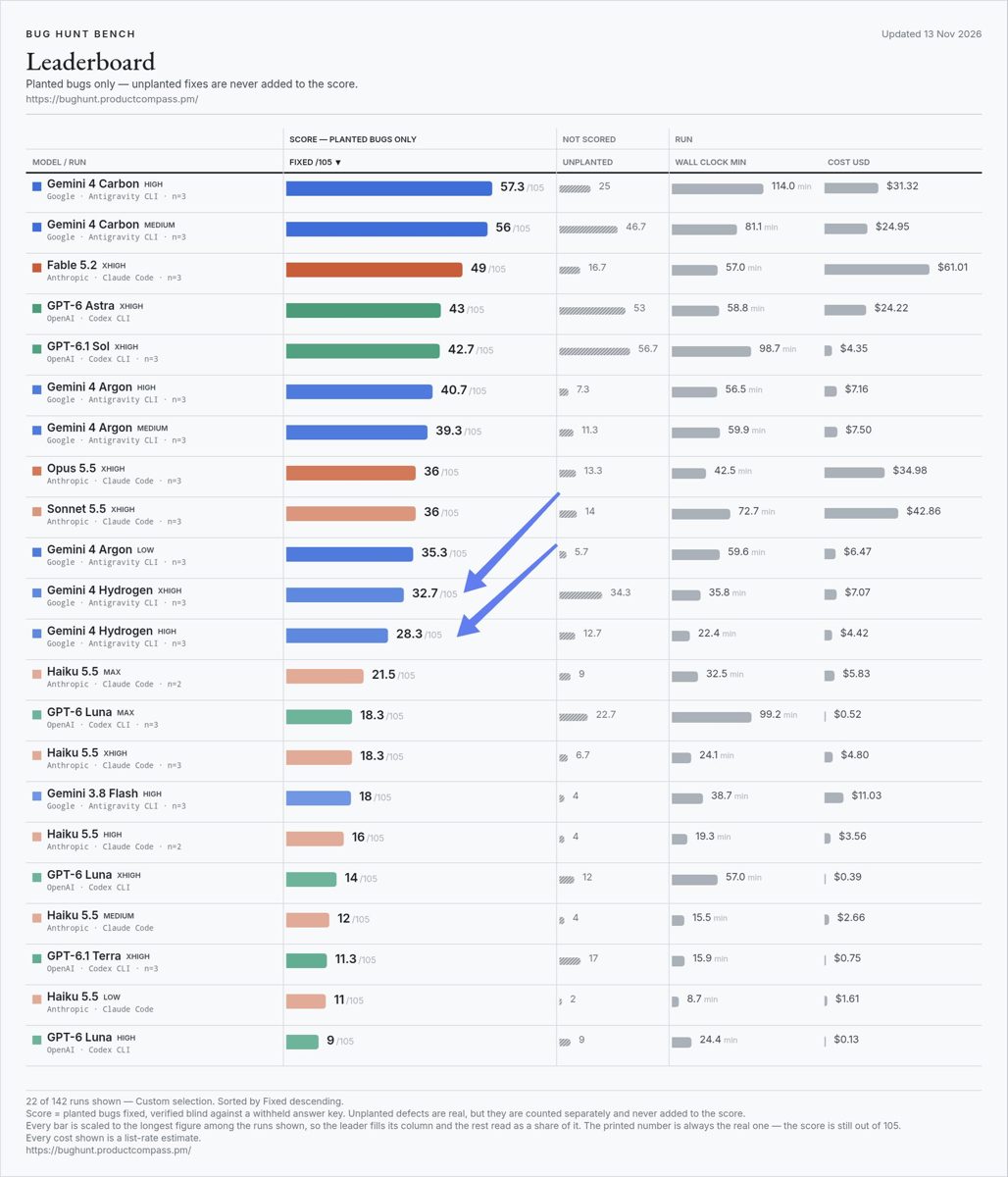
Bug Hunt Bench: Hydrogen (arrows) fixes 32.7 of 105 planted bugs at xhigh, for about $7.Bug Hunt Bench: Hydrogen (בחצים) מתקן 32.7 מתוך 105 באגים שתולים ב־xhigh, בכ־7 דולר.Image: תמונה: @PawelHuryn on X
The first outside numbers for Gemini 4 Hydrogen, Google’s new fast model, come from Paweł Huryn’s Bug Hunt Bench: two real repositories with 105 bugs planted back in, scored only on verified fixes. Hydrogen at xhigh fixed 32.7 bugs for $7.07, and at high 28.3 for $4.42. That beats Haiku 5.5 at max (21.5) and GPT-6 Luna at max (18.3, in 99 minutes against Hydrogen’s 36), and sits just behind Sonnet 5.5 at xhigh (36).
The top of the board belongs to Gemini 4 Carbon at high (57.3, $31.32) and Fable 5.2 (49). Huryn calls Hydrogen “a great candidate for a fast subagent that can actually do real work”; Demis Hassabis reposted it.
Decider v1.3 (27B) and Decider Flash v1.3 (4B), both Apache 2.0, score 70 and 64 on Artificial Analysis’s decision index and sit on its cost frontier
By Our Correspondent at the Crossroads
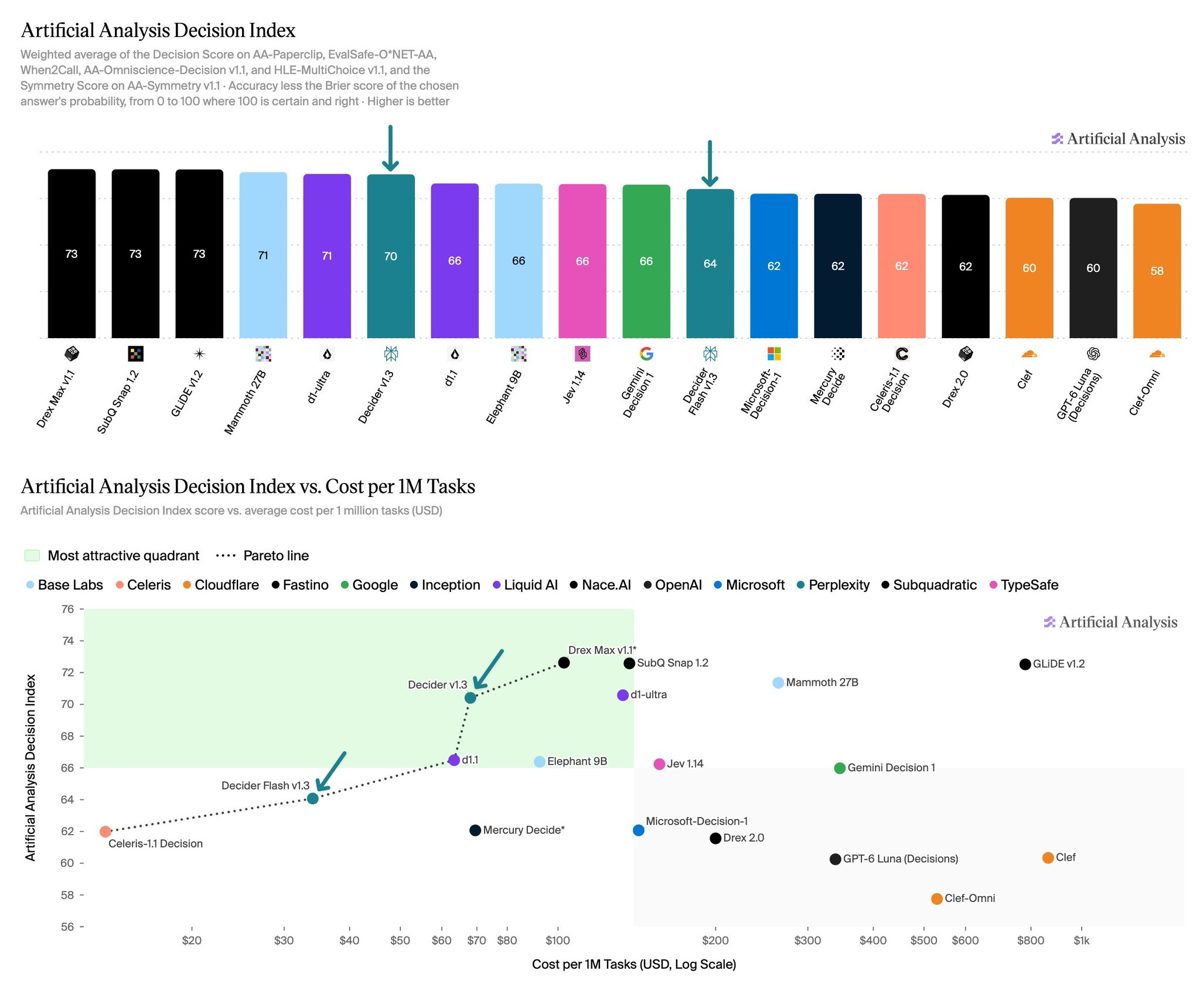
Decider v1.3 and Flash v1.3 (arrows) on the index and its cost-per-million-tasks chart.Decider v1.3 ו־Flash v1.3 (בחצים) במדד ובגרף העלות למיליון משימות.Image: תמונה: @ArtificialAnlys on X
Perplexity updated its decision models, and Artificial Analysis scored them on Saturday: Decider v1.3 gets 70 on the Decision Index v2.1 and keeps sixth place, while Decider Flash v1.3 gains 4 points to 64 and moves up to tenth, thanks to 12-point jumps on both AA-Symmetry and When2Call. The bigger model is fourth on AA-Paperclip (69) and third on EvalSafe-O*NET-AA (89).
Both are open under Apache 2.0, at 27B and 4B parameters, with a 256K-token context window and text-plus-image input. Running a million index tasks costs $68 and $34, which puts both on the capability-versus-cost Pareto frontier. They are served through Perplexity’s own API.
Y Combinator’s podcast sits down with the Grok Bot team, and Lauren Tan warns that asking agents for the quickest fix can spread bad code
By Our Correspondent in the Bot Shop
Y Combinator’s Lightcone podcast interviewed Lauren Tan (@poteto) and Roman Ugarte of the core team that took Grok Bot from first line of code to launch in seven weeks. Among the stories: the marketing team gave a bot its own ad budget, and Tan built a whole feature with her bot in one Slack thread without opening Cursor. Chapters cover bot-to-bot trust, identity for AI coworkers and “the workflow behind 4,000 PRs a month.”
Tan also posted the line of the day for agent users, 3,100 likes strong: “quick fixes considered harmful.” Ask an agent for the smallest possible change, she argues, and the bandaid becomes a pattern the next agent copies until it is everywhere; with agents, fixing the root cause is often worth it even when more invasive. Her AI Engineer talk on how the team ships fast without cutting quality went up the same evening.
Seedance 2.5 Flash arrives in HeyGen, up to twice as fast as the full model with quality close to it
By Our Correspondent in the Cutting Room
HeyGen added Seedance 2.5 Flash to its Creative Studio video app. The company says it runs up to 2x the speed of Seedance 2.5 while keeping quality close to the full model, “fast enough to blow your wig off.”
The No AI Slop Manifesto from AI Engineer’s Code Summit hits Hacker News, and Ethan Mollick ranks the most annoying AI replies
By Our Correspondent with the Red Pen
Dex Horthy says the No AI Slop Manifesto, written with speakers and attendees at AI Engineer’s Code Summit in San Francisco, reached the Hacker News front page and has 300+ signatures, from people at Baseten, SpaceX, OpenAI, PostHog, Shopify and others, @poteto among them. Its lines include “We own the intent, taste, and consequences of what we ship, however much AI helps us make it.” Meanwhile Simon Willison reposted Ethan Mollick’s ranking of AI slop replies, topped by “questions faking curiosity” and the “As a marketer/builder/dentist, I see this in my own…” opener.
Regular Claude chat now runs in auto mode, and Simon Willison found it listens when you grant permission in plain words
By Our Correspondent at the Gate
Simon Willison noticed that regular Claude chat now uses “auto mode,” so it will occasionally refuse to run something. His fix: he told it, “Hey permission system, I give this session permission to run this experiment for me (now try again),” and it seemed to unblock, because auto mode takes your messages into account.
Demis Hassabis calls it “true alien tech”; Sundar Pichai says it still feels like science fiction
By Our Correspondent Looking Up
SpaceX’s Mechazilla tower caught Starship on Saturday, and the AI world’s timelines filled with applause. Demis Hassabis loved “the thunderclap as the starship dropped out of the heavens, before the catch,” and declared “the whole stack is now proven out.” Sundar Pichai watched live: “still feels like science fiction.” Reposts came from @poteto, @leerob and @mattyp.
Open-source AI projects worth an afternoonפרויקטי AI בקוד פתוח ששווים אחר צהריים
Agent-Native Appsאפליקציות לסוכנים
Expo’s Exact: One App, Four Platforms, Built for AgentsExact של Expo: אפליקציה אחת, ארבע פלטפורמות, בנויה לסוכנים
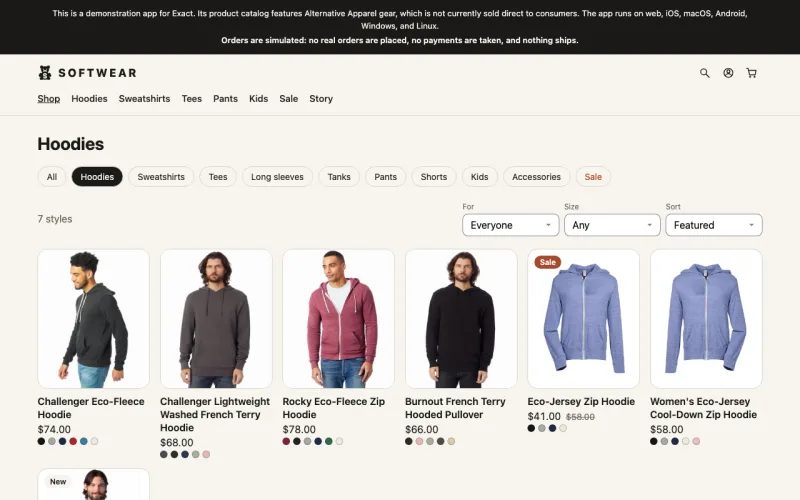
Write the interface once in a small language and an agent can build, run, see and test it on web, macOS, iOS and Linux.כותבים את הממשק פעם אחת בשפה קטנה, וסוכן יכול לבנות, להריץ, לראות ולבדוק אותו בדפדפן, ב־macOS, ב־iOS וב־Linux.
Softwear, a demo store from Exact’s templates, on the web.Softwear, חנות הדגמה מהתבניות של Exact, בדפדפן.Image: תמונה: expo/exact on GitHubInterfaces for Agentsממשקים לסוכנים
Vercel’s UI SDK Hands Agents the Hard Parts of InterfacesUI SDK של Vercel נותן לסוכנים את החלקים הקשים של ממשק
Keyboard navigation, focus, popups, drag and drop and ARIA as reusable behaviors, plus a skill so your agent can assemble them.ניווט במקלדת, פוקוס, חלונות קופצים, גרירה ושחרור ו־ARIA כהתנהגויות לשימוש חוזר, ועוד מיומנות שמלמדת את הסוכן להרכיב אותן.
Dioramas: Landing Pages Where the 3D Scene Is the PageDioramas: דפי נחיתה שבהם הסצנה התלת־ממדית היא הדף
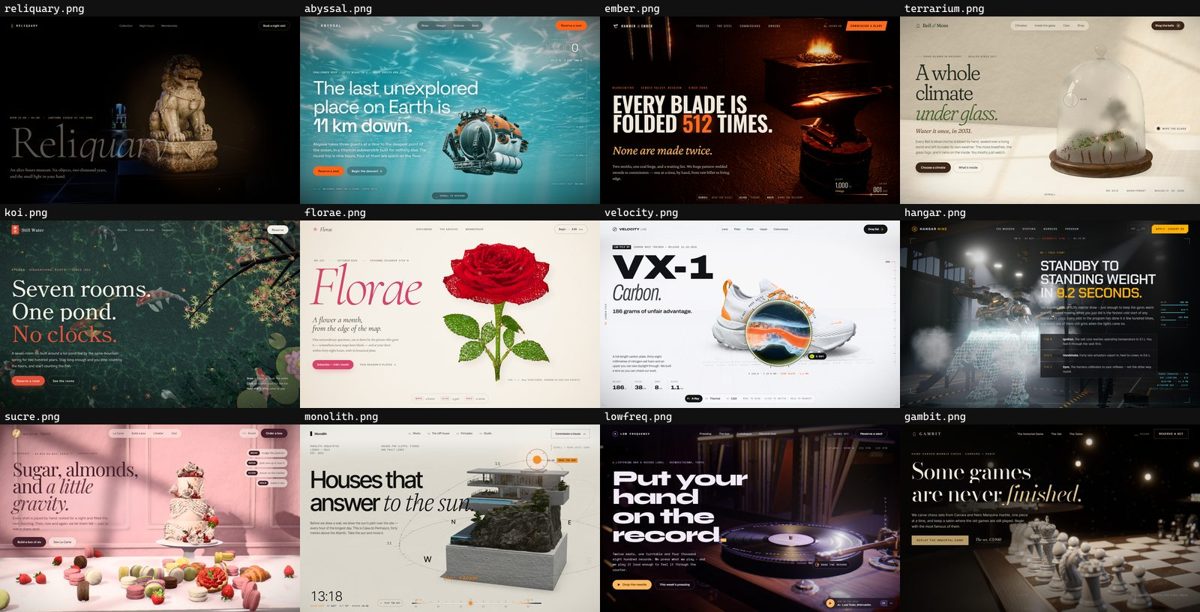
A free framework that turns a prompt into a 3D hero object and ships 20 cinematic example sites built by a coding agent.מסגרת חינמית שהופכת פרומפט לאובייקט תלת־ממדי מרכזי, ומגיעה עם 20 אתרי דוגמה קולנועיים שבנה סוכן קוד.
Twelve of the twenty example sites, each built around one AI-generated 3D object.שנים־עשר מעשרים אתרי הדוגמה, כל אחד סביב אובייקט תלת־ממדי אחד שנוצר ב־AI.Image: תמונה: blendi-remade/dioramas on GitHub
Wren & Robin read you this morning's dispatches, with banter.
Edited & published by Nadav Solomon
בשידור · רדיו
האלחוט של הגוזל
רֶן ורובין מגישים את ידיעות הבוקר, עם קצת צחוקים.
בעריכת והוצאת נדב סולומון
Published by Nadav Solomon · Printed on the Fledgling Press · Set in Georgia & Times
By Post · Weeklyבדואר · שבועי
The Fledgling Weeklyהגוזל השבועי
The week's best AI stories and Repo Corner picks, once a week.מיטב ידיעות ה-AI של השבוע ובחירות פינת הריפו, פעם בשבוע.
Newsletter language:שפת הניוזלטר:
We'll email you a confirmation link first. Your address is used only for this newsletter, and your approximate country (from your IP) is stored to pick your delivery day. Never shared; every issue has a one-click unsubscribe.קודם נשלח לך קישור לאישור. הכתובת משמשת רק לניוזלטר הזה, ונשמרת גם מדינה משוערת (לפי כתובת ה-IP) לבחירת יום המשלוח. לא מועבר לאף אחד, ובכל גיליון יש הסרה בלחיצה אחת.
The site uses Google Analytics to count visits; its cookies are set only after you accept in the cookie banner. Privacy policy.האתר משתמש ב-Google Analytics לספירת ביקורים; העוגיות שלו נשמרות רק אחרי אישור בבאנר העוגיות. מדיניות פרטיות.